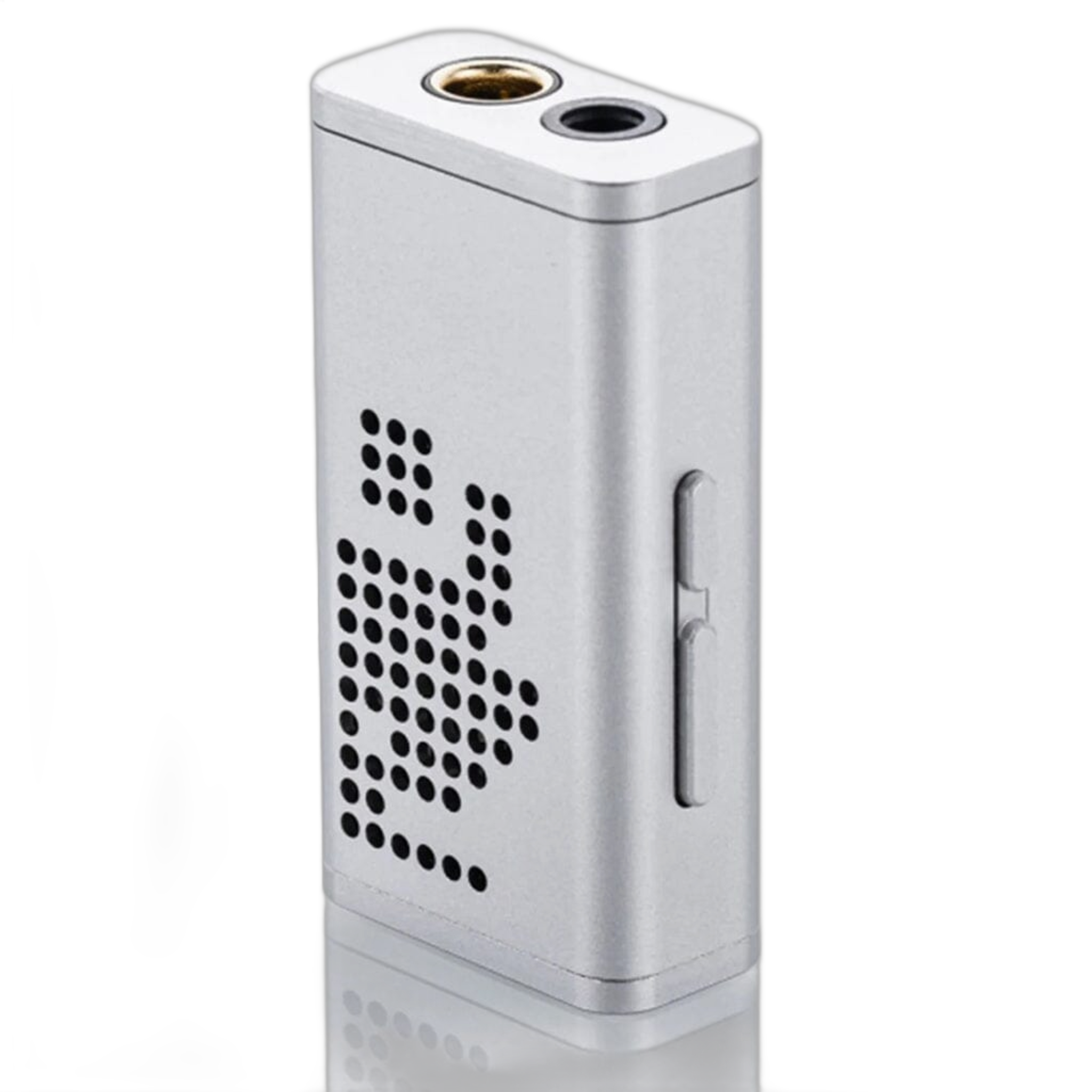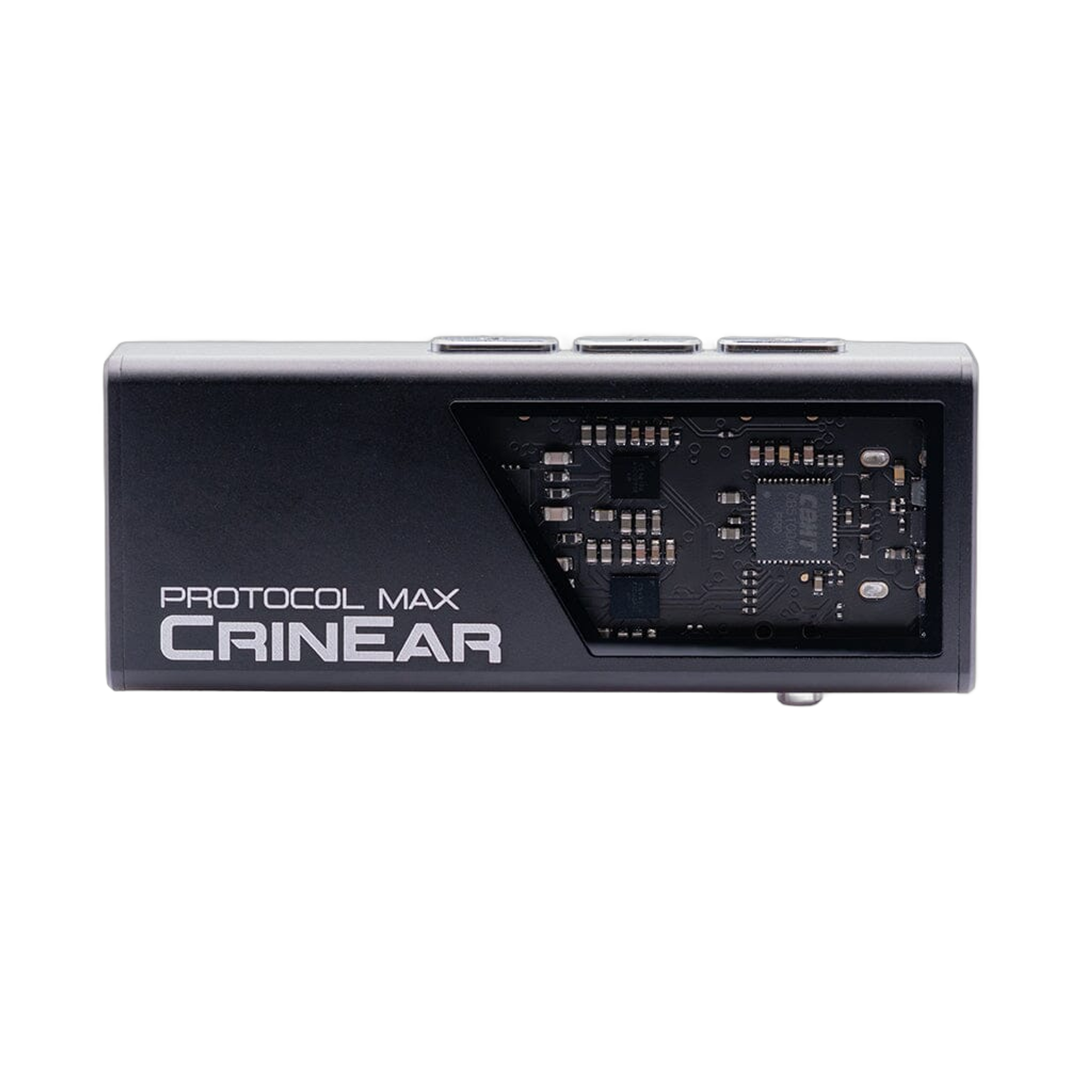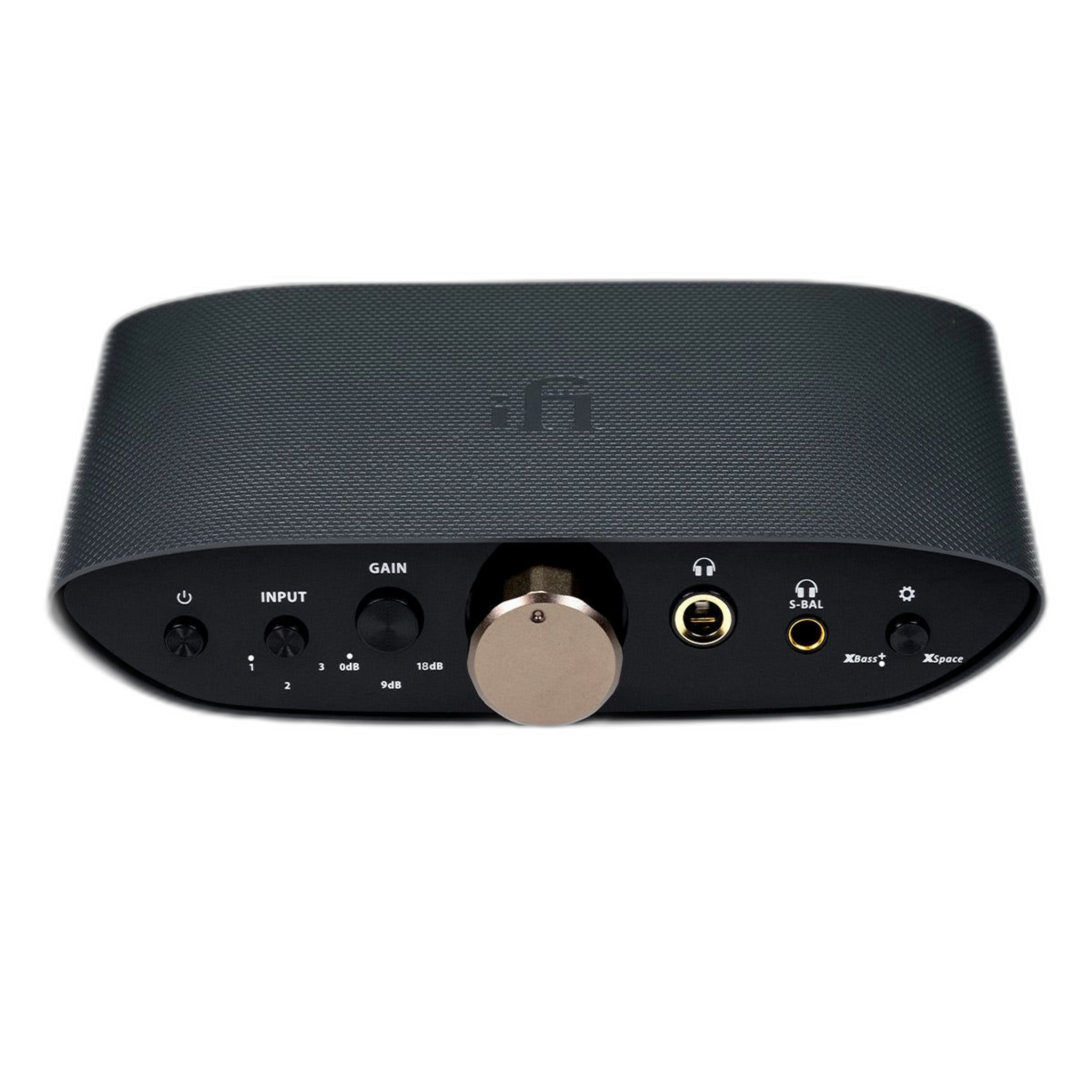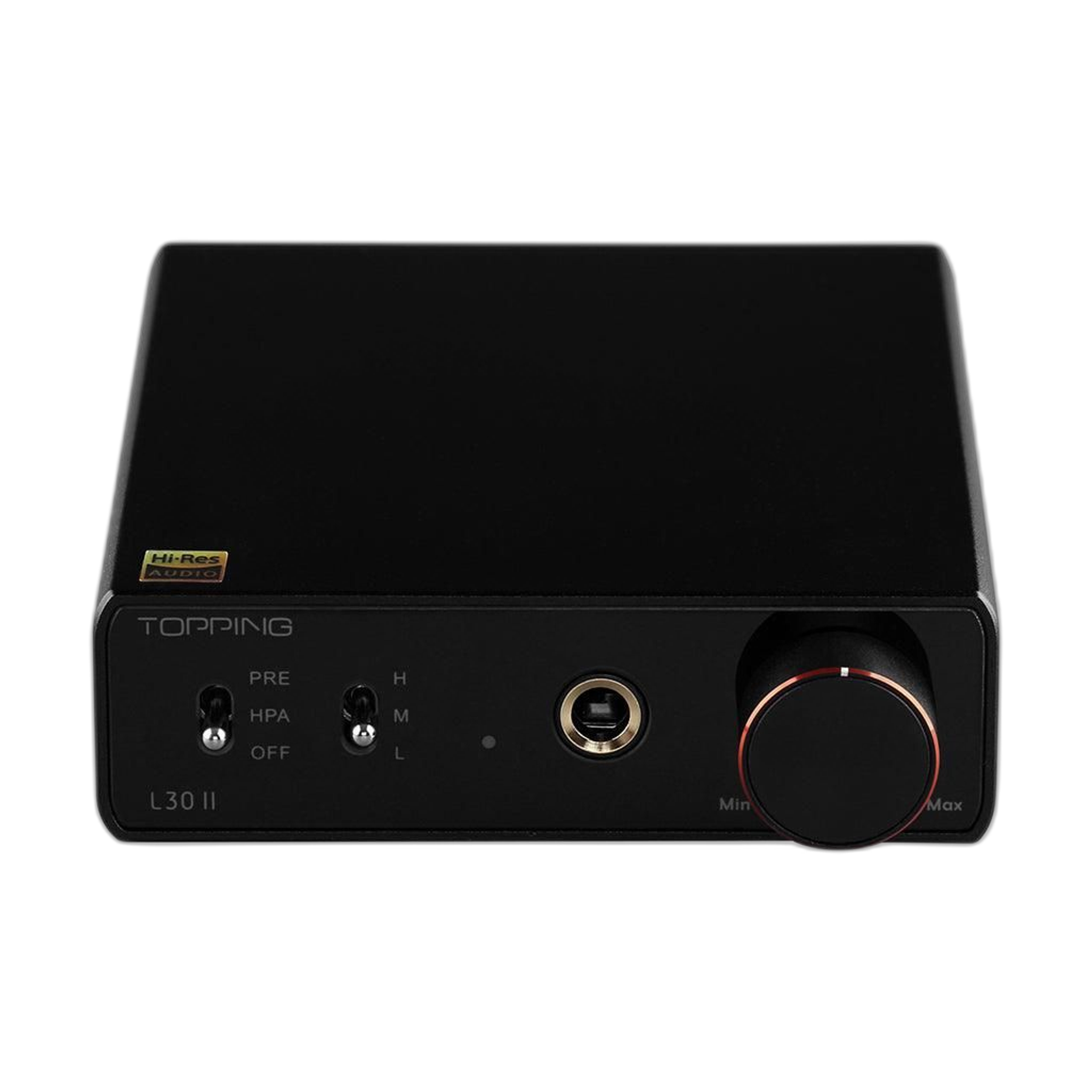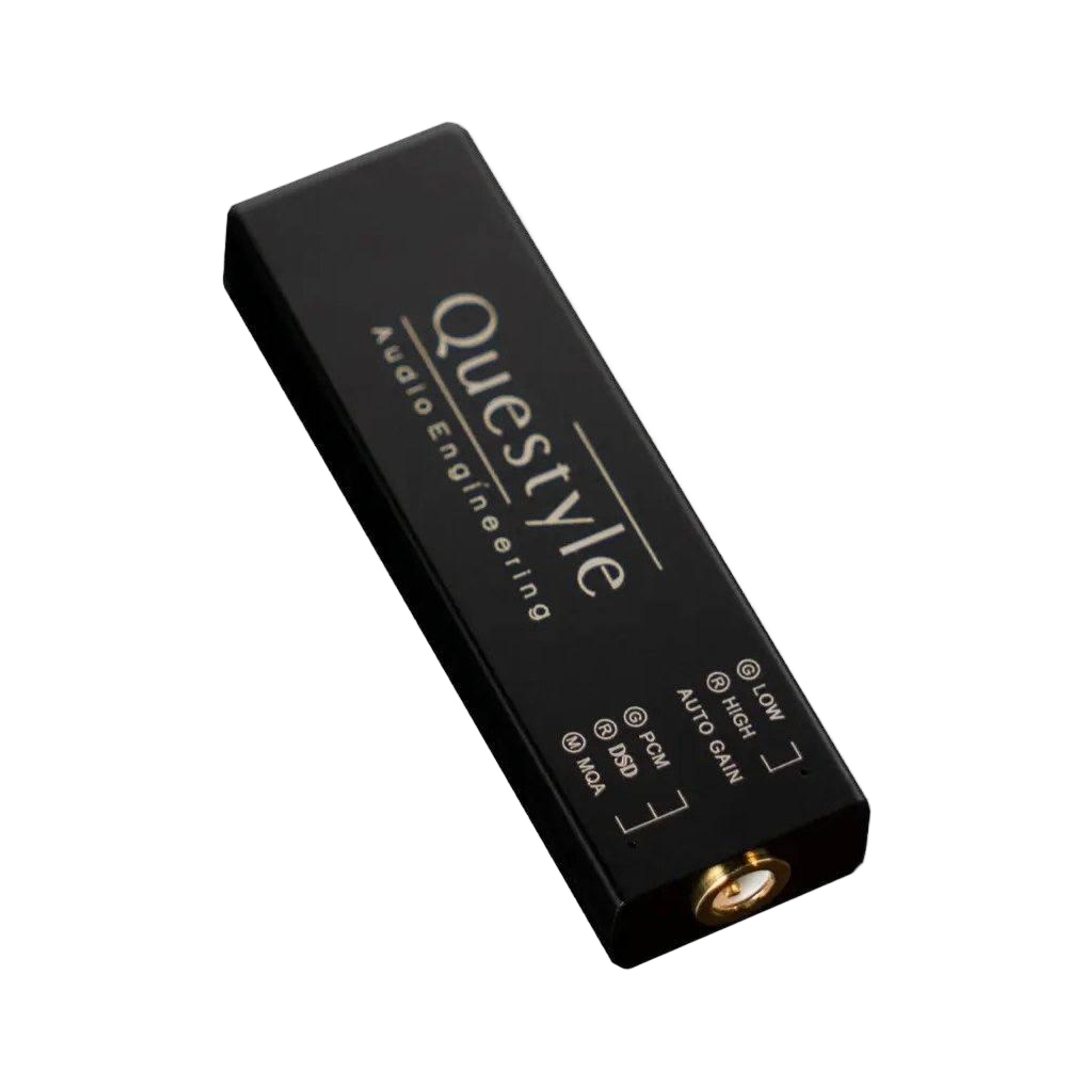
FiiO BTR11 Portable DAC and Headphone Amp
$19.99
Aune Audio
In Stock
Description
The Aune A17 is the flagship of Aune's amplifier line: a fully discrete, fully balanced Class A headphone amplifier that delivers up to 11,500mW into 32 ohms. Aune's own tagline for it is two words, "drives anything," and the engineering underneath is what makes that a statement of fact rather than marketing.
The A17 is built for the listener whose headphone collection has outgrown polite amplification: inefficient planar magnetics, 600 ohm dynamics, and everything between. It is a pure analog design with no DAC inside, taking RCA or balanced XLR from your source and anchoring both a headphone system and, through its preamp outputs, the speakers next to it.
Class A Power That Holds Nothing Back The output stage runs three pairs of power transistors in parallel per channel, which lowers output impedance to 1 ohm, sharpens transient response, and keeps a firm grip on difficult loads. At maximum gain the balanced output delivers 11,500mW into 32 ohms and 1,260mW into 300 ohms, with usable power all the way to 640mW into 600 ohms.
Numbers like that put the hardest headphones in the store within reach: a HIFIMAN Susvara gets the current it starves for elsewhere, and a Sennheiser HD 800 S runs on a fraction of what is available. Check any headphone against these tables with our headphone power calculator.
A Power Supply Split Like a Loudspeaker Amplifier Class A amplification turns supply voltage into dynamic range, and into heat. The A17 resolves that tension with a split architecture: the pre-amplification stage runs on higher voltage rails at plus and minus 20V for headroom and stage width, while the output stage runs at plus and minus 15V to keep heat in check without giving up drive.
A 100 watt toroidal transformer powers the analog section exclusively, backed by a filter capacitor bank totaling nearly 80,000uF. The display and control system draw from a separate supply, with control signals isolated through digital isolator chips so nothing from the digital side leaks into the music.
0005%. Twin JFETs In, a MUSES Chip on the Volume The input stage uses Aune's twin JFET arrangement in dual-transistor parallel configuration.
JFETs share voltage-control behavior with vacuum tubes, which is where the A17 gets its natural, layered, warm character; running matched pairs keeps that character stable as the amplifier heats through a long session. Volume runs through the JRC MUSES72323, a high-end R2R volume chip with 99 steps, synchronizing all four balanced channels to keep left-right imbalance out of the picture even at whisper levels.
Headphone and preamp outputs keep independent volume logic, so switching between headphones and powered speakers never starts with a blast at the wrong level. 5dB combine with two Class A current modes, A-L and A-H, to match the amplifier's operating point to the load.
Sensitive in-ear monitors on G-1 sit on a background quieter than 7 microvolts; flagship over-ears on G-4 get the full output. The dual-color display shows current mode, gain, volume, and internal temperature at a glance, echoed by a second small display on the top panel.
Heat is managed the honest way, with mass and surface area: an ultra-thick pure aluminum chassis with a multi-tiered internal heatsink structure channels warmth away from the circuit and spreads it across the case. The A17 is built to run warm and stay stable through all-day Class A operation.
Every function gets its own physical button, and an aluminum remote mirrors the front panel from the listening chair. How the A17 Compares Within Aune's line, the step up from the S17 Pro EVO is substantial: eleven and a half watts balanced against seven and a half, a 100W toroidal against 50W, four times the filter capacitance, four gain settings against two, and the MUSES72323 running the volume.
The S17 Pro EVO remains the smart buy for most systems; the A17 exists for the headphones that ask more than most systems can give. At $2,399, the A17 competes with the established names in summit-level amplification and arrives with an argument they cannot all make: true Class A, fully discrete, with power reserves that end the question of what it can drive.
5mm adapter Remote control Quick start guide
Compatible With
4-pin XLR balanced, 4.4mm balanced, 6.35mm single-ended, 1 ohm
| Specification | Value |
|---|---|
| Product Type | Class A headphone amplifier and preamplifier |
| Architecture | Fully discrete, fully balanced Class A |
| Input Stage | Twin JFET, dual-transistor parallel |
| Output Stage | Three parallel pairs of power transistors per channel |
| Gain Settings | G-1 5.8dB / G-2 9.2dB / G-3 11.6dB / G-4 13.5dB |
| Class A Current Modes | A-L / A-H, selectable |
| Volume Control | JRC MUSES72323, 99-step R2R, four synchronized channels |
| Headphone Outputs | 4-pin XLR balanced, 4.4mm balanced, 6.35mm single-ended |
| Line Inputs | RCA (10K ohm) and XLR (10K ohm) |
| Preamp Outputs | RCA (200 ohm) and XLR (100 ohm) |
| Headphone Output Impedance | 1 ohm |
| Frequency Response | 20Hz - 80kHz, +/-0.05dB |
| THD+N | <0.0005% at 1kHz |
| SNR | >115dB at 32 ohms |
| Crosstalk |
| < -100dB at 1kHz, 32 ohms |
| Noise Floor | <7uV |
| Power Supply | 100W toroidal transformer, ~80,000uF capacitor bank, split +/-20V and +/-15V rails |
| Power Input | IEC AC inlet with rear power switch |
| Dimensions | 290 x 345 x 130mm |
| Remote | Remote control included |
| Load | 6.35mm Single-Ended |
| 32 ohms | 2,820mW |
| 100 ohms | 940mW |
| 150 ohms | 630mW |
| 250 ohms | 380mW |
| 300 ohms | 320mW |
| 470 ohms | 200mW |
| 600 ohms | 160mW |
| Split power supply | +/-20V pre-amplification, +/-15V output stage |